Marketing

    Newsday Strategy.

    0

    Over a decade ago, I wrote a creative brief for Newsday, a large metropolitan newspaper covering Long Island and Queens New York, using the insight “We know where you live.”   Newsday liked the notion but didn’t completely get the insight. They reframed it and turned the words into their tagline of many years “Newsday. It’s where you live.” 

    “We Know Where You Live” was meant to provide residents of Long Island  — a diverse, but captive audience – with a reason to buy the paper in addition to The New York Times…and in place of The New York Post and The NY Daily News. Many of LI’s hundred thousand plus train commuters buy these other 3 papers every day for world news and sports and “We Know Where You Live” was intended to make them feel a bit out of touch with their local community news and home lives. (Sneaky, but true.)  It was also a means to create greater loyalty among current readers.   

    This brand idea, if properly acculturated throughout Newsday, would have made every employee hypersensitive to providing an editorial experience that only a LI-based paper could deliver.  

    Fast forward to 2010 and the underperforming Newsday.com.  “We Know Where You Live”, though long gone, is still a powerful rallying cry for building online readership and participation.  The owners, architects and builders of the website, should be brainstorming how to deliver that experience. Instead, I submit, they are probably in brainstorming meetings chasing the latest social media twist, the next community promotion and the October program intended to build time on site. These are tactics, not strategy.  “How” is tactical. “Why” is strategic.  Newsday and Newsday.com need to revisit their brand strategy.  And let those 34 new reporters they’re hiring in on it. Peace!

    Evolution, marketing and Bumpus Mills, TN.

    0

    Some evolutionary changes – Physical:

    • Our fingers are getting smaller and more supple.
    • Our thoraxes are growing smaller in length and girth as the things we digest become more processed and prepared.
    • Our brains are getting bigger, causing brain cases to outsize the female pelvis, raising the rate of Caesarian sections.
    • Our eyesight is getting worse as we smother ourselves in commercial light and don’t need eyesight to “naturally select” food sources.
    • Our teeth are losing enamel due to a diet requiring less vigorous mastication. (Girls with gum don’t count.)
    • Antibiotic resistant strains of bacteria are growing, thanks to our overuse of pills.


    Some evolutionary changes – Marketing:

    • We don’t read print ads because we have been conditioned to know they are blather 8 out of 10 times.
    • We’ve become inured to the lexicon of selling – especially the twenty most paid for words.
    • The clutter of choices available to consumers is so great often the best “package” wins.
    • The medium and the message have become more important than the product.
    • The convenience of hunting and gathering has become so great, our collective asses are too big for our jeans.


    And lastly, because of the marketing evolutions stated above, we have ceded control of brand management to social voices in Peoria and Bumpus Mills – which is like letting one cell in the body make the decisions for all. Peace it up!

    Digital Publishing Heroes.

    0

    Where’s the thought leadership in digital publishing? 

    Magazines on iPads and other to be developed mobile devices are a nascent commercial endeavor.  At no time before have we had an opportunity to thread together storytelling with text, pictures, video, authorship and curation as have today.  If you think ad agencies haven’t figured out the silo-ization of marketing commerce, what about magazines and newspapers?

    Once magazines were glossy and delivered weekly or monthly.  Newspapers were matted on inexpensive newsprint and more likely a daily, immediate vehicle. Today, digitally, they’re the same animal. And they publish and update with a simple click.   

    When it comes to the information architecture, screen layout, art direction, usability, bounce-ability, brutally honest copy editing and the integration of advertising, who is leading the way?  To whom do we turn as we try to systematize the new digital publishing business?  Mssrs. McGraw and Hill?  Mr. Sulzburger? Ms. Huffington? Mr. Zuckerberg? Ms. Bartz? Mr. Droga? Mr. Arrington?

    When hiring, one of my favorite interview questions is “Who are your heroes?” Well, it will be very interesting to watch the heroes emerge in digital publishing as we move toward a multidimensional platform.  Do you have any nominees? Peace.

    Car Wars. And Style.

    0

    Ford is a wonderful marketing story – following years and years of big car stasis and poor management it has begun down a colorful new road.  The cars have gotten smaller, management has its eyes on the horizon and in a country where borrowing is rampant, it gets props for not taking the government cheese. Cool technology, too.

    G.M. has made smart decisions, but still feels like a company run by old dudes with dandruff on their suit collars.  Most businesses can sell off flagging assets and brands, get smaller, refinance, wave the flag and make a comeback.  Sorry to sound disrespectful because I want G.M. to win, but the company doesn’t feel particularly contrite or forward thinking, the Chevy Volt aside.

    Chrysler, on the other hand, still struggling and playing tortoise to Ford and G.M.’s hare, is an interesting company to watch. America loves an underdog…just watch the World Series or Super Bowl some time.  And America loves European styling and design. Chrysler is the former and has a chance at the latter. It has gone quiet for a while in the area of new product development while working hard to design some exciting new cars. Good move.  While Ford’s new small cars will have big American grills and other old style embellishments, I’m hoping Chrysler will be creating some Fiat-like smaller cars that people on the street can’t keep their eyes off. Were I Chrysler, I’d design hot looking, efficient cars that appeal to women: a French looking car, then an Italian car, perhaps a German-styled car. Women love style. This is a design approach whose time has come.  It never would have flown decades ago, but it will today.  Tortoise shell glasses anyone? Peace!

    Media Generalizations

    0

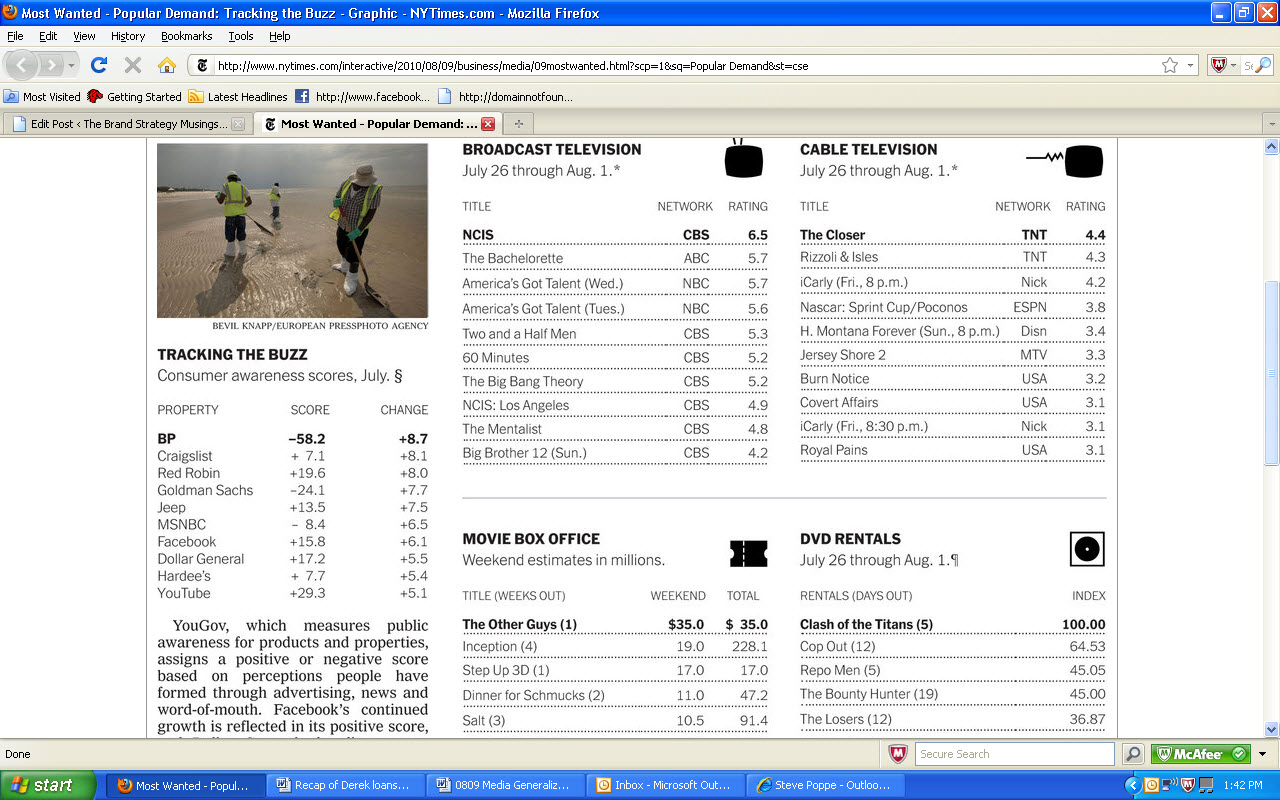
    I participated in an exercise a couple of years ago and thought it might be worth doing again.  There’s a weekly report in The New York Times called the Most Wanted which cites the best read, best watched properties and programs by media type. A glaringly obvious clustering by demographic occurred when I did it the first time and it seems things haven’t changed much.

    Broadcast TV is watched most heavily by Boomers and the demographic just younger. Cable TV is watched by Boomers and young kids.  Kids and Millennials go to the Movies while DVDs are mostly rented by Gen X and Y, skewing males, with a little less money to spend. Magazines are read by those with higher household incomes and people who tend to be older – say 40+.  And Music Albums are being purchased mostly by white kids young and Millennials, while music downloads favor youngish non-whites and whomever likes Katy Perry.

    Am I a media agency’s nightmare or what? Peace.

    You’re Welcome, Mr. Whitacre.

    0

     “We want the government out. Period.” was the powerful quote from the powerful CEO of General Motors, Edward E. Whitacre, Jr. in today’s paper.  Nice efin’ bluster Mr. Whitacre.  Dude, you’re not Henry Ford. The American people own 61% of your company and you have the oafishness to pretend otherwise?  We certainly understand the sentiment – you want to be in charge again  – but it was bluster like this that got GM into its mess in the first place. I smell a relapse.

    Here’s a thought Mr. Whitacre (and Joel Ewanick, GM’s VP,  Marketing).  How about taking a few million dollars and a trick from the Saturn playbook and reintroduce us to GM with a big “Thank you.” Perhaps a series of low-cost barbecues at local parks across the country.  If need be, do it under tents at your dealerships.  Put your people to work flipping burgers in cut-offs and flip flops — real people stuff.  Be contrite. And don’t buy the real expensive food either, buy store brands and make the potato salad yourselves. Show us you care about our money.  Be resourceful, like most American’s are today.  Sweat for us Mr. Whitacre.  Do something  Americana (roots), not Bloomfield Hills.

    Earn back a smidgen of good will, because that quote of yours convinces me you have about as much chance of reforming GM as Lindsay Lohan has of staying away from white wine. Please prove me wrong. (And whatever you do, don’t say mea culpa via a McCann-Erickson :30 spot.)  Peace!

    Aol Needs Talent.

    0

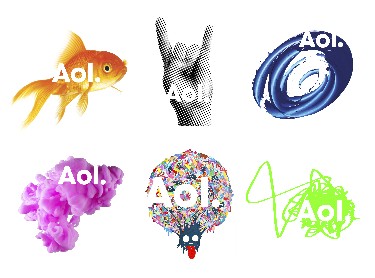
    Tim Armstrong has a lot to do if he really wants to fix Aol, but he needs to start by hiring a chief talent officer. His executive suite — with all props and deference to those recently hired — has grown and become an enviable suite, but the big investment should be in Posters, original web content creators, not suits.  Creative people, writers, videographers, style queens, humorists, and the politically angry.  Aol must become more relevant to Teens, Tweens, Millenniums, Gen This & That, Boomers…and it has to start this quarter.

    Don’t Wait.

    Start the content strategy today. Hire Ochocinco. Hire Robert Scoble. Hire Kandee Johnson. Fab Five Freddy. Melting Mama. People with content game. Hire punk rockers before they’re famous. People burning with a point of view. People on their way up. A great talent officer will help today, but more importantly, will allow Aol to ride the ascent of future talent before it becomes expensive. As George Steinbrenner did when building the world’s most famous sports franchise, invest every penny in the players. This is not a markobabble post about teamwork, this rant is about players. Talent. Content. The right Posters will give you the inspiration to reinvent what content is.  Don’t rely on an “innovation team” sitting in a San Diego corporate resort.

    With the right web talent, ad sales will come. Ding dong, money at the door.  Lined up around the block.

    Get you first piece of talent this week. Celebrate it and start to build Aol momentum.  Content is not an algorithm, it’s talented people expressing themselves through words, song, poesy and art. Peace it up!

    Toughest Question in Marketing.

    0

    Jeff Finkle, the CFO of a company I once worked for, understands the power of a brand strategy.  Jeff is an interesting character. His background is in venture capital, direct-to-consumer marketing start-ups, and C-level business and financial management.  Plus, with a last name like Finkle…

    Anyway, I quote him all the time in meetings when talking about the power of a brand strategy and the need for it to be acculturated throughout the company.  In Jeff’s mind, company employees when leaving the building each night should ask themselves “What did I do today to make my company/product more ________ (insert brand strategy.)”

    Zappos

    A lot has been written about Zappos and its tight brand strategy.  Pop Quiz: Which of the following four questions do you think Zappos employees ask themselves while heading to their cars?

    1. Did I sell more shoes today?

    2.  Did I help the company sell more shoes today?

    3.  Did I increase customer satisfaction among Zappos customers today?

    4.  Did I help customers feel better about their feet, footwear and sense of style?

    I need to get closer to the Zappos brand, but I’m betting they’d say number 3.  And they’ve built a successful business with that approach. Personally, I would stretch it to number 4 because “customer sat” is generic. But at least they are asking the question.

    Anyone can tap a company slogan as they are heading out of the locker room, but more likely than not that’s just for good luck.   It’s up to management and the CMO to make sure employees stop tapping and start asking the tough question. Peace!

    NFL and Marketing Futures.

    0

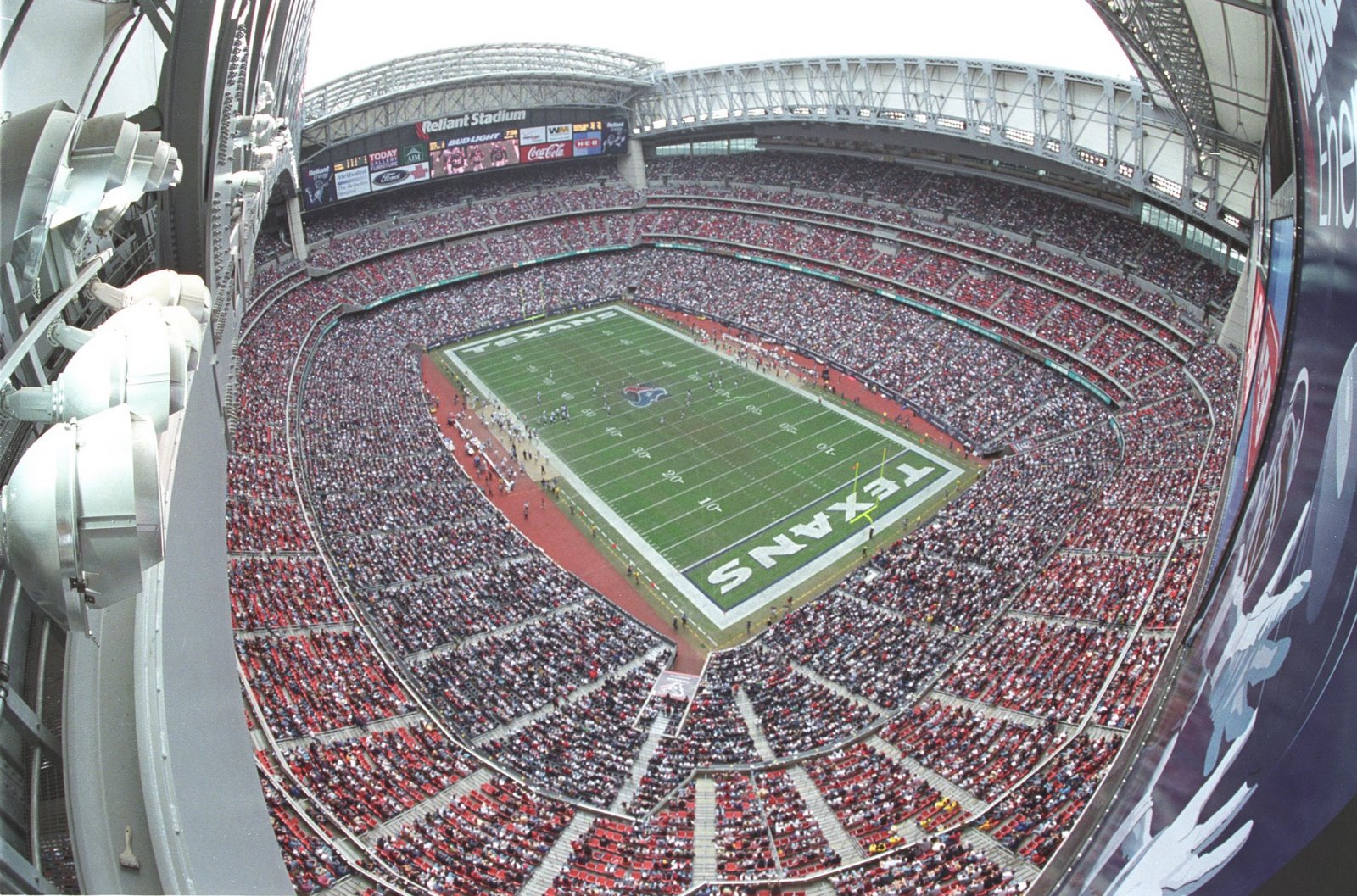
    The NFL is improving the in-stadium game experience by creating WIFI enabled smartphone applications that provide game watchers with information, audio and video heretofore only available to the TV watching audience. Got smartphone?  The second wave of these apps will provide an even greater level of entertainment and analysis than is available through the TV — but let’s not get ahead of ourselves.  The business problem some teams are facing is that seat sales are down 3% since 2007 and TV viewership is up. With replays, color analysis and hi-def, the on-coach experience is excellent and free. The in-stadium experience needs to get better…and it is, thanks to smartphones. 

    Consumer Goods Marketers

    As consumer marketers put on their thinking caps and realize they need to improve the in-store shopping experience to better compete with online shopping, new worlds of smartphone applications will  turn up. Think aisle check-ins at the local Stop & Shop a la FourSquare, or pre-loaded Consumer Reports write-ups at your local car dealership. How about GPS-enabled restaurant reviews by cuisine or an olive oil rating app at the local specialty food store?  Help, I can’t stop! 

    Thanks NFL for being so forward in your thinking. Peace!

    Reach and Free-quency

    0

    I’d be interested to know of some ad campaigns that use TV for reach and the Web for frequency. Not paid advertising on the web, more like free YouTube video.  GoDaddy has used this approach with its Super Bowl ads.  The good thing about this media tactic, beyond the saved media dollars, is that the frequency is desired frequency, not forced.  Viewers make the choice to watch.  And one doesn’t have to worry about wear-out, since viewers only consume the spot as many times as they care to.  The creative has to be amazing and compelling though, or it will be a complete bust.  That’s the rub.

    Anyone have other successful examples? Peace!